
Bees where you want them. Gone from where you don’t.
We handle hive removals, hive placement for 1-d-1 ag valuation, nucs for new beekeepers, and classes for anyone curious. Out of our apiaries in San Antonio, La Vernia, and Blanco.
You found bees. Now what?
First, look at what you’ve actually got.
A tight cluster hanging off a branch, a fence, a mailbox, or a piece of equipment is a swarm. That’s a colony in transit, resting while scouts look for a permanent home. No honey to guard, no brood to protect, and about as calm as bees ever are. Swarms move on within a day or two, so calling early matters.
A steady stream of bees going in and out of the same hole every day is an established colony. They’ve built comb, they’ve got something to defend, and they aren’t leaving on their own.
We handle both.
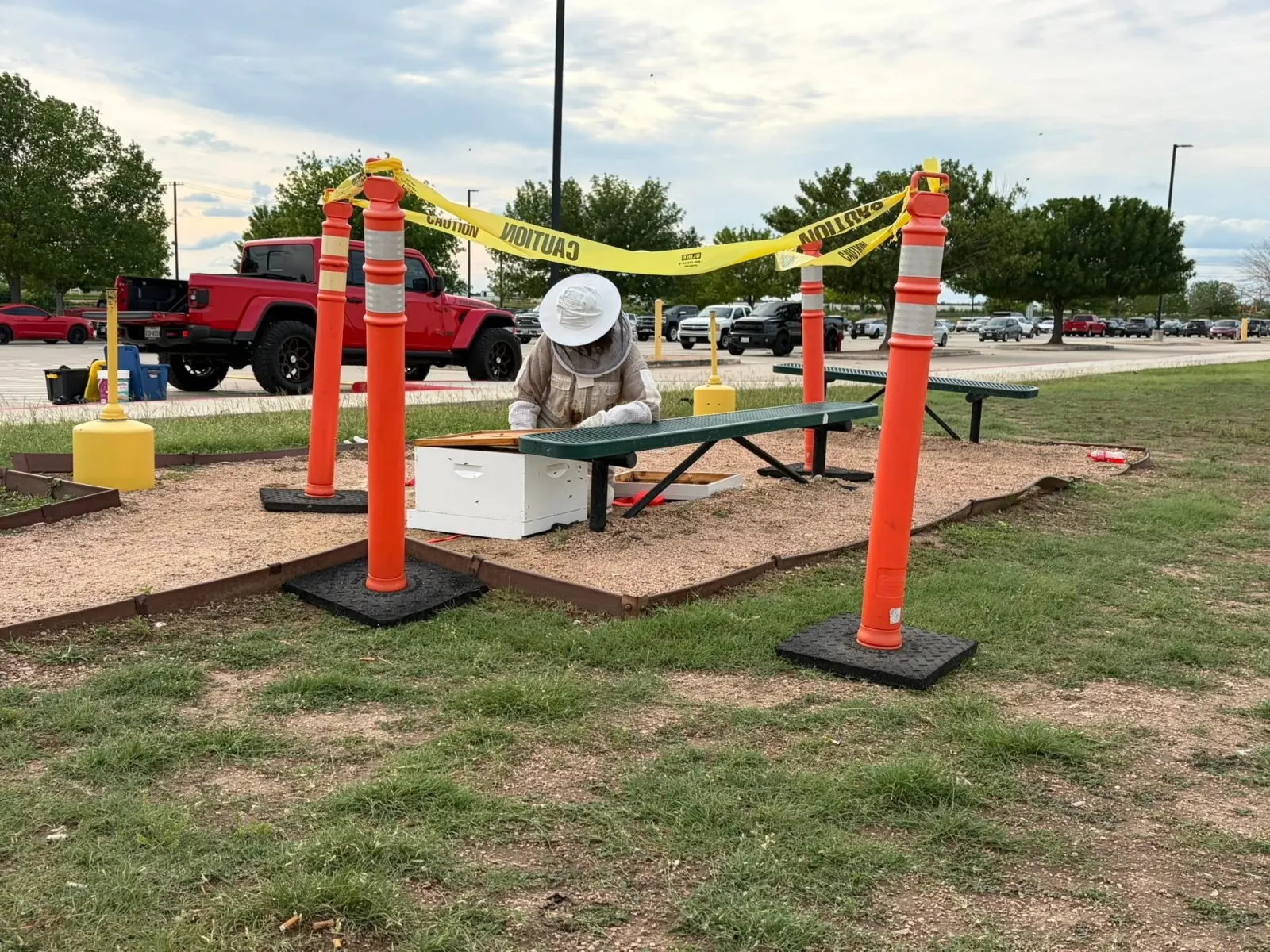
What happens: you send the details, we quote it, show up in gear, collect the colony, and we relocate it to one of our apiaries. Nothing gets sprayed, nothing gets attacked, none of that. Your property gets its space back, and the bees get to keep working.
What we don’t do: structural work. If the bees are inside a wall, a soffit, a foundation, or a roof and reaching them means cutting your house open, that’s a job for a contractor working alongside a beekeeper. We’ll tell you that on the first call instead of showing up and finding that out together.
Why removals are quoted, not priced
Every job is different. Height, access, how long they’ve been there, and whether anything’s been sprayed all change the work.
And one more thing worth being straight about. People assume a removal is free because the beekeeper walks off with bees. Sometimes it works out that way. Plenty of other times the colony won’t settle into its new box and leaves within a week, and all that’s left is the drive, the gear, and the afternoon. So no, the bees can’t be the payment.
Registered for bee removals in Texas and insured.
Tell us about your bees.
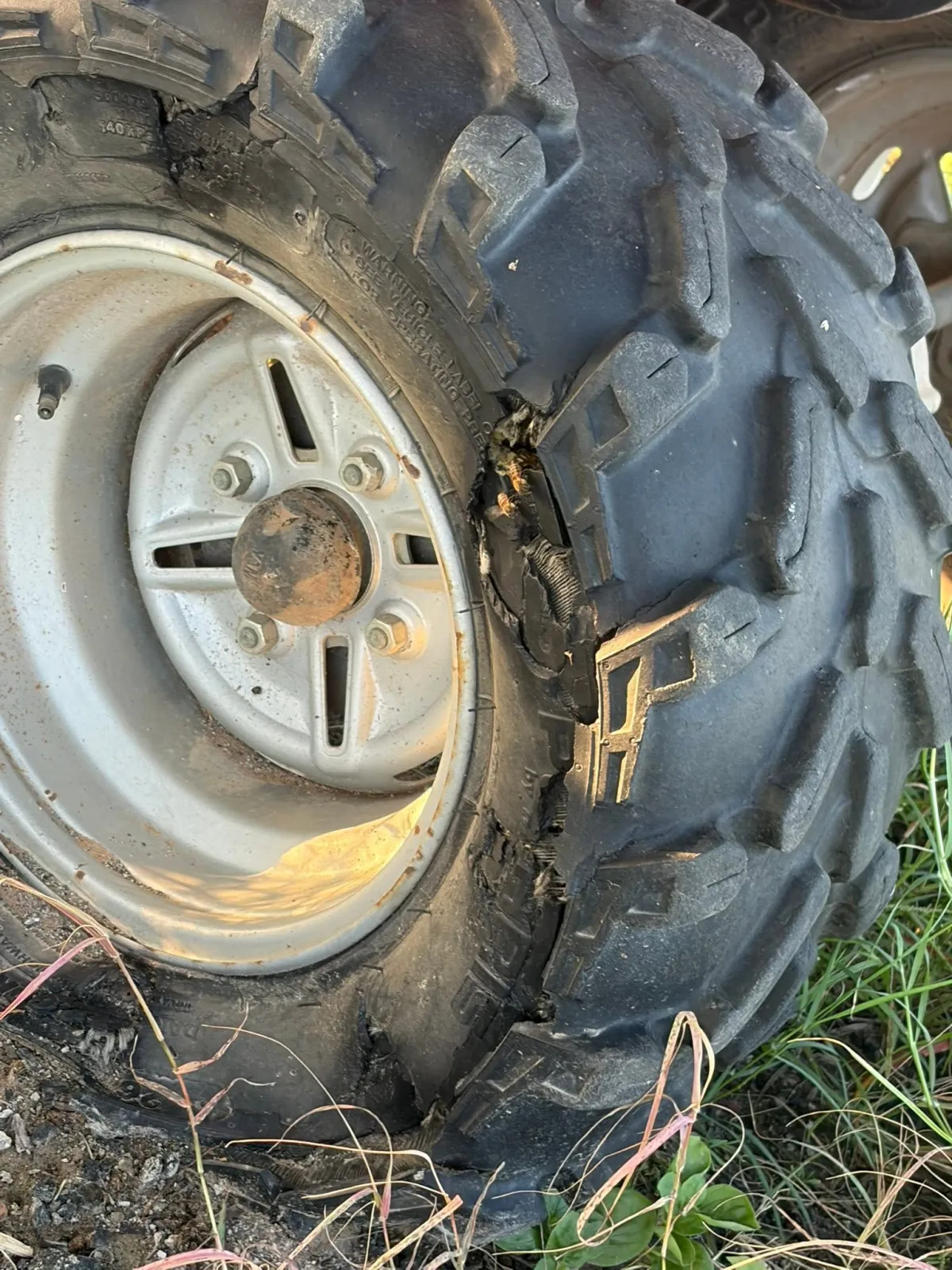
Fill this out and Chantel will get back to you with a quote. A photo helps more than anything else you can send.
Turnkey hive placement for 1-d-1 open-space valuation.
Texas recognizes beekeeping as a qualifying agricultural use. For a landowner with open acreage, hives are one of the least demanding ways to meet county 1-d-1 open-space requirements.
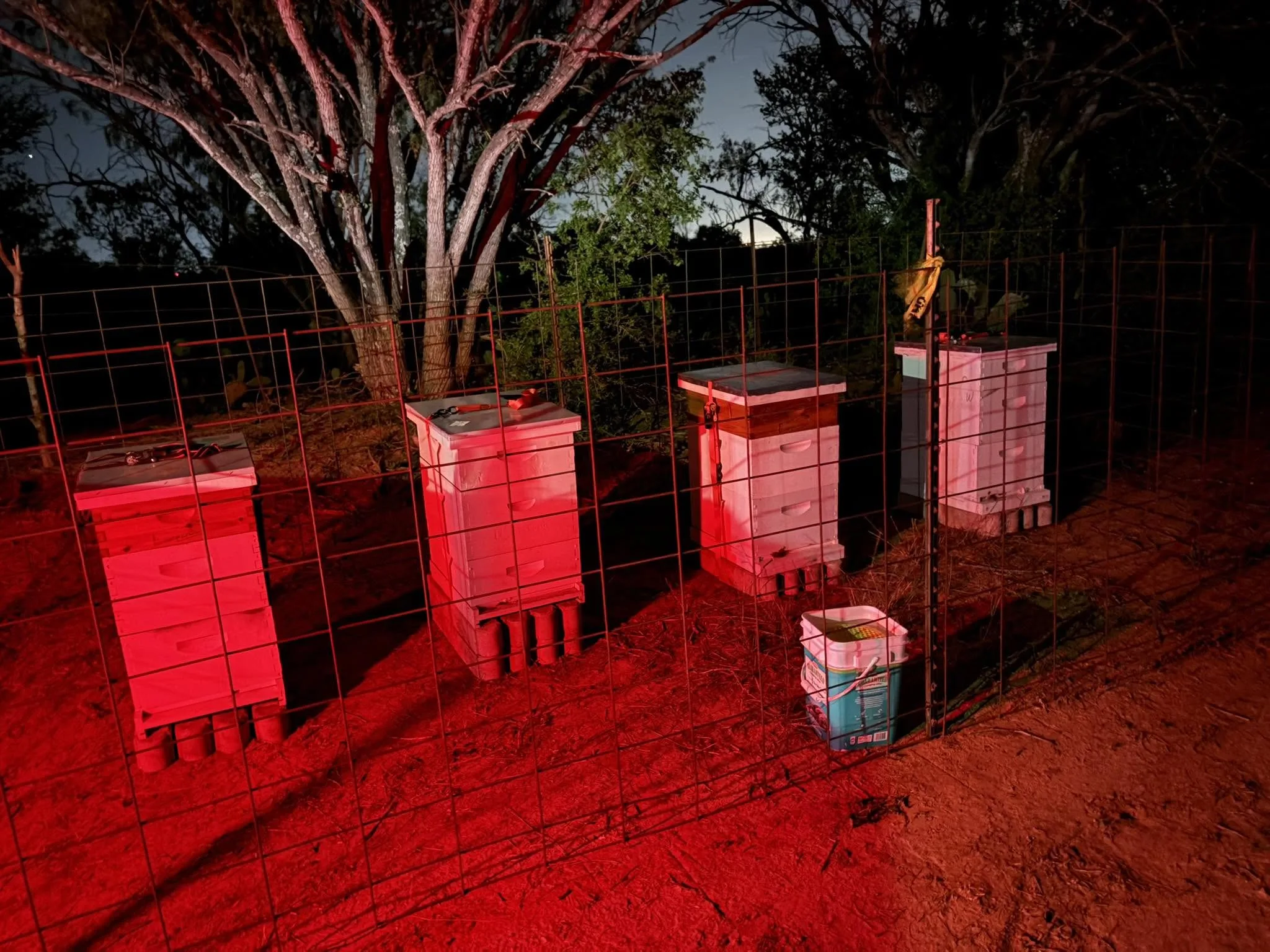
We handle the whole thing, in phases. We audit the land, then deliver and site the hives. From there, it’s an annual service: we come out and maintain them on your property year to year, so they stay healthy and stay qualifying. You don’t buy equipment, you don’t suit up, and you don’t learn beekeeping.
Acreage minimums and hive counts are set by your county appraisal district, and they aren’t the same everywhere. So the first conversation is short. Tell us where your land is and how many acres you’re working with, and we’ll tell you whether it’s worth pursuing.
Tell us about your land
County, acreage, and what’s on it now.
We place the hives
Delivered, sited, and set up on your property.
We maintain them
Ongoing inspections and hive care through an annual maintenance agreement. You keep doing whatever you were doing.
We’re beekeepers, not tax advisors. Confirm your specific qualification requirements with your county appraisal district.
Four and five frame nucs, ready to go into your box.
A nuc is a small working colony. Laying queen, brood, food stores, and enough bees to keep the whole thing running. Drop the frames into your hive body and the colony picks up where it left off, which beats starting from a package and hoping.
Availability moves around. Ask, and we’ll tell you what’s ready and what it costs.
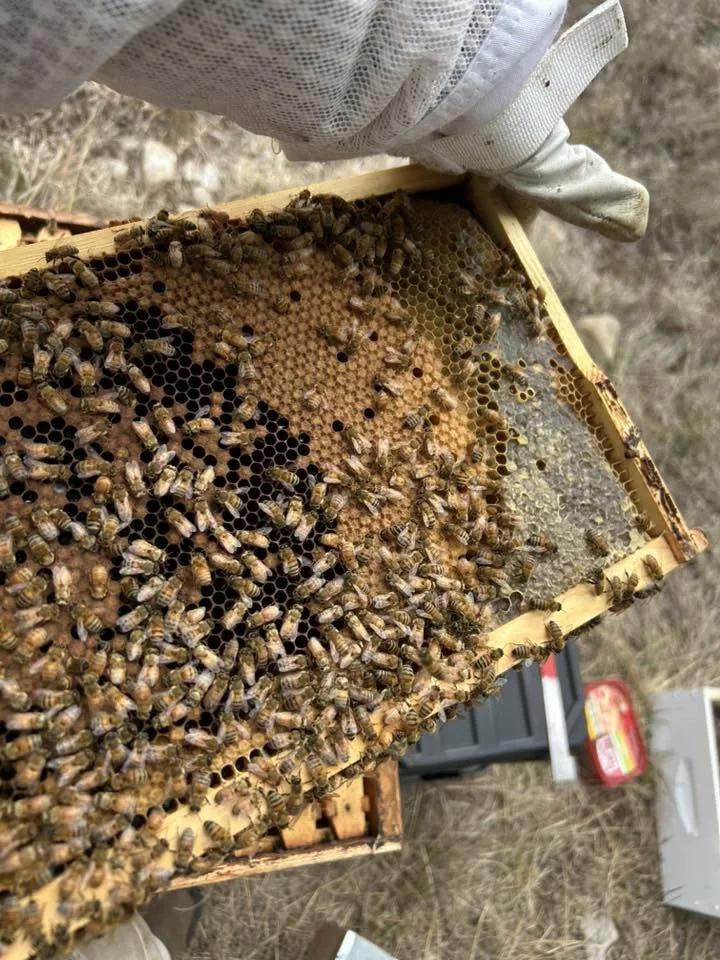
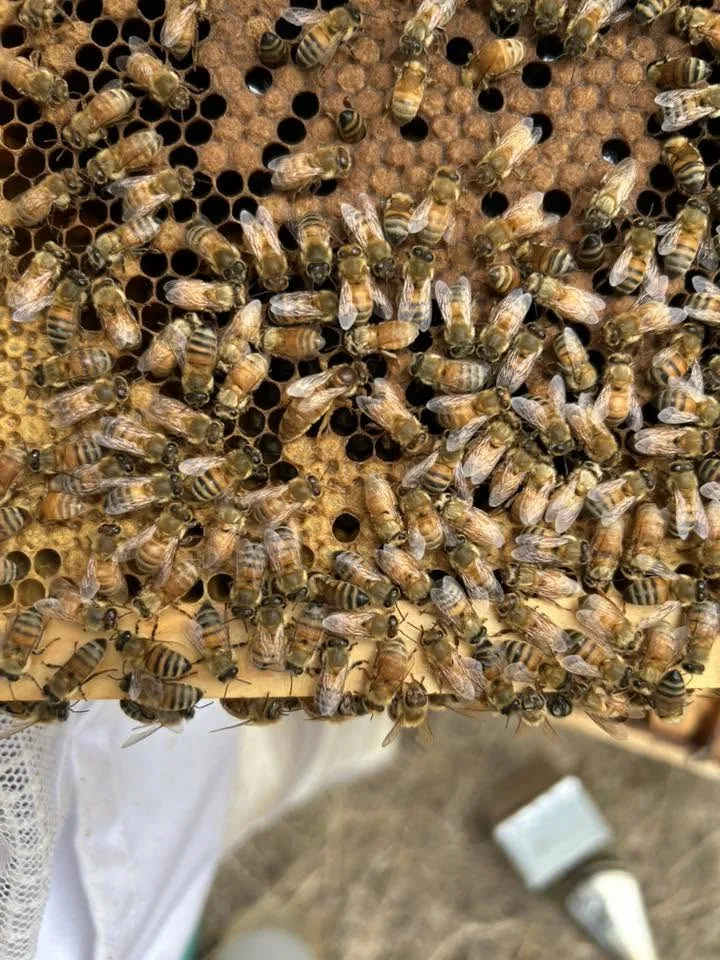
Standing next to an open hive changes how people think about bees.
Most people have never seen the inside of a colony. They’ve seen bees on a flower, and they’ve been stung by them, and they’ve heard that the bees are in trouble, but that’s about it.
We fix that in about an hour.
Chantel teaches hands-on classes, runs apiary tours, and gives talks for schools, businesses, and community groups. If you’re curious about bees, want to show your kids, or are seriously considering starting a hive of your own, this is the cheapest (and coolest) way to find out what you’re getting into.
Hands-On Classes
Suit up and work an actual hive. Good for beginners and the curious.
Apiary Tours
Come see how a working apiary runs. Families welcome.
Talks & Visits
Schools, businesses, and community groups. We’ll come to you.
Questions we get before the first visit.
How fast can you come out?
Will you kill the bees?
What does a removal cost?
The bees are inside my wall. Can you help?
Someone already sprayed them. Now what?
I thought removals were free since you get the bees.
Are swarms dangerous?
How much land do I need for a 1-d-1 valuation?
Do you do tours for kids?
Send us a photo, and we’ll take it from there.
If you've got a swarm on a fence post, a colony in a shed, or acreage that needs hives on it. Fill out the form.