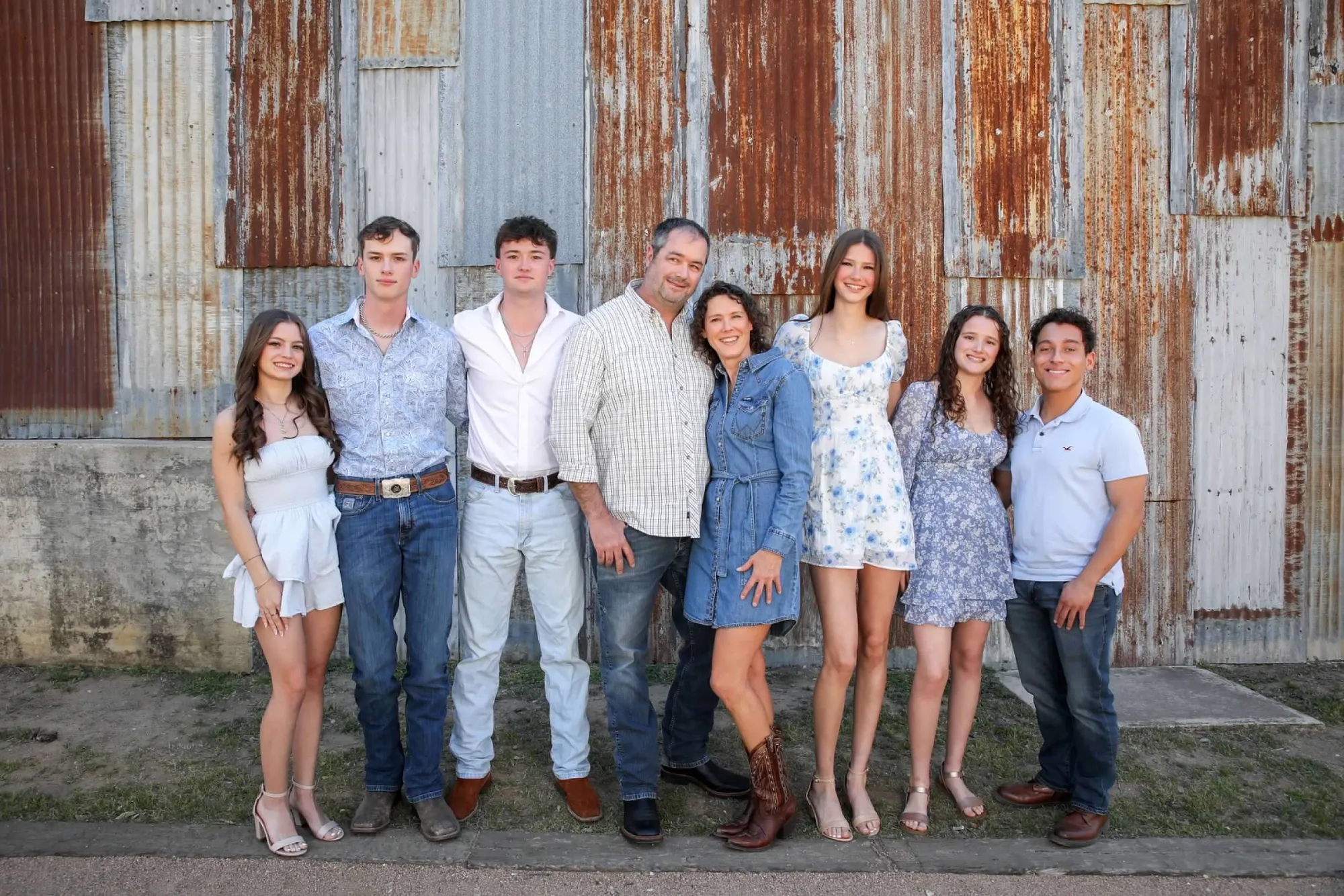
There are six Bowdoins. Hence the name.
Here’s How It All Started
In 2023, Chantel was teaching English from a desk in her house. It was remote. The work was fine, and she actually really enjoyed it!
But she wanted to be outside. Working outdoors with something living. Spending time in nature. So, she went looking for something that would get her out of the chair. She came across beekeeping, and thought the same thing most people think when they first hear about it.
That sounds fun!
So she got a few hives.
Wanted to make Honey for the family.
But she realized something during that process… You can’t keep bees casually. A colony is a living thing with a queen, a food supply, a water supply, a disease risk, and even their own calendar, and it will not wait for you to get around to it.
Chantel realized this rather quickly.
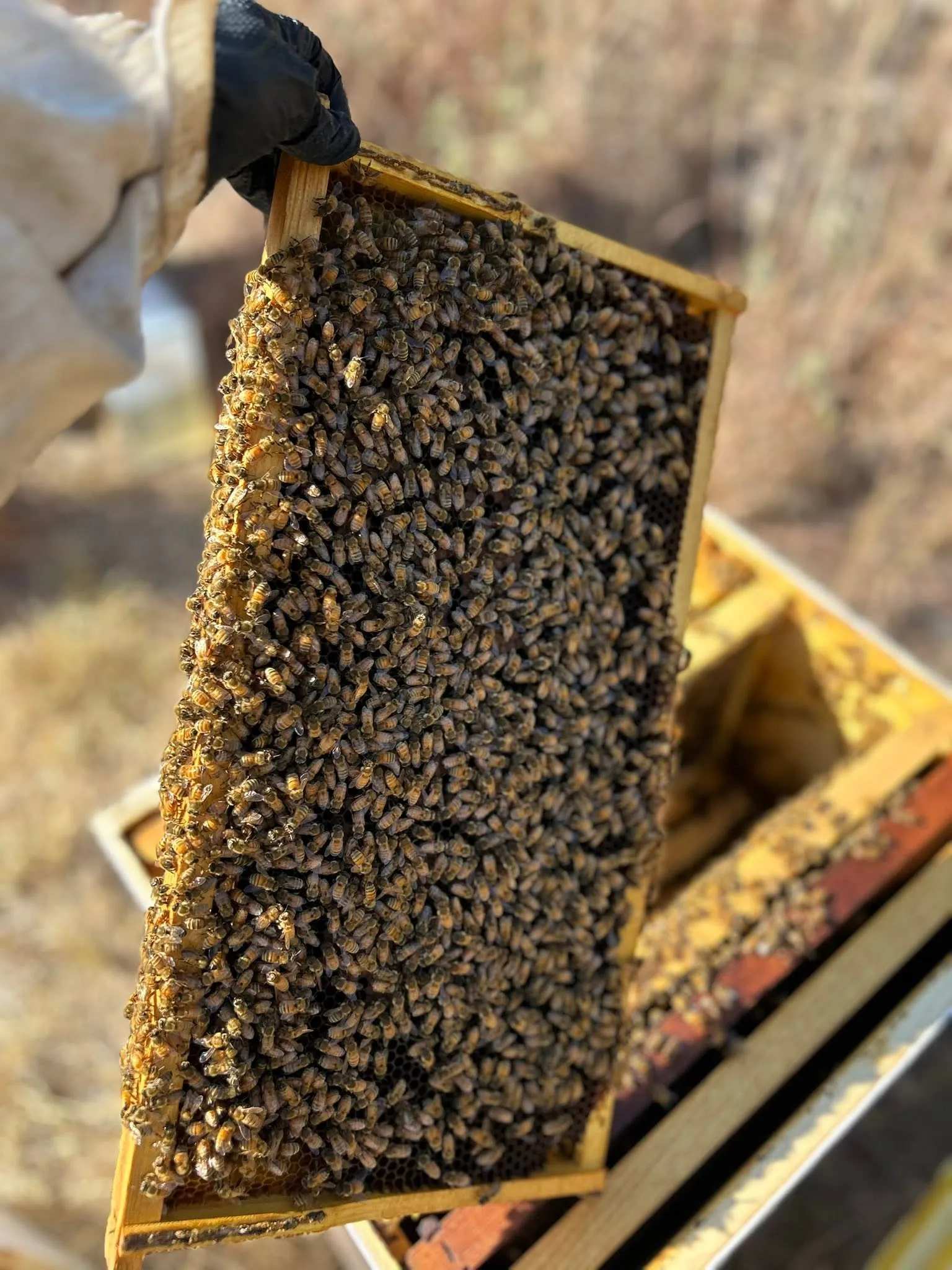
That’s when the few hives we had turned into more hives. And the more hives turned into three apiaries, in San Antonio, La Vernia, and Blanco. She enjoyed getting more hives. Started setting swarm traps in early Spring to bait some more in with beeswax and propolis from her own hives (because bees will follow the scent of a place other bees have already been).
Then the phone calls started.
Somebody found a cluster of bees on a fence post and had no idea who to call. A landowner was trying to sort out a 1-d-1 valuation. Chantel’s husband, Brad, had a colony set up at his workplace that she needed to remove.
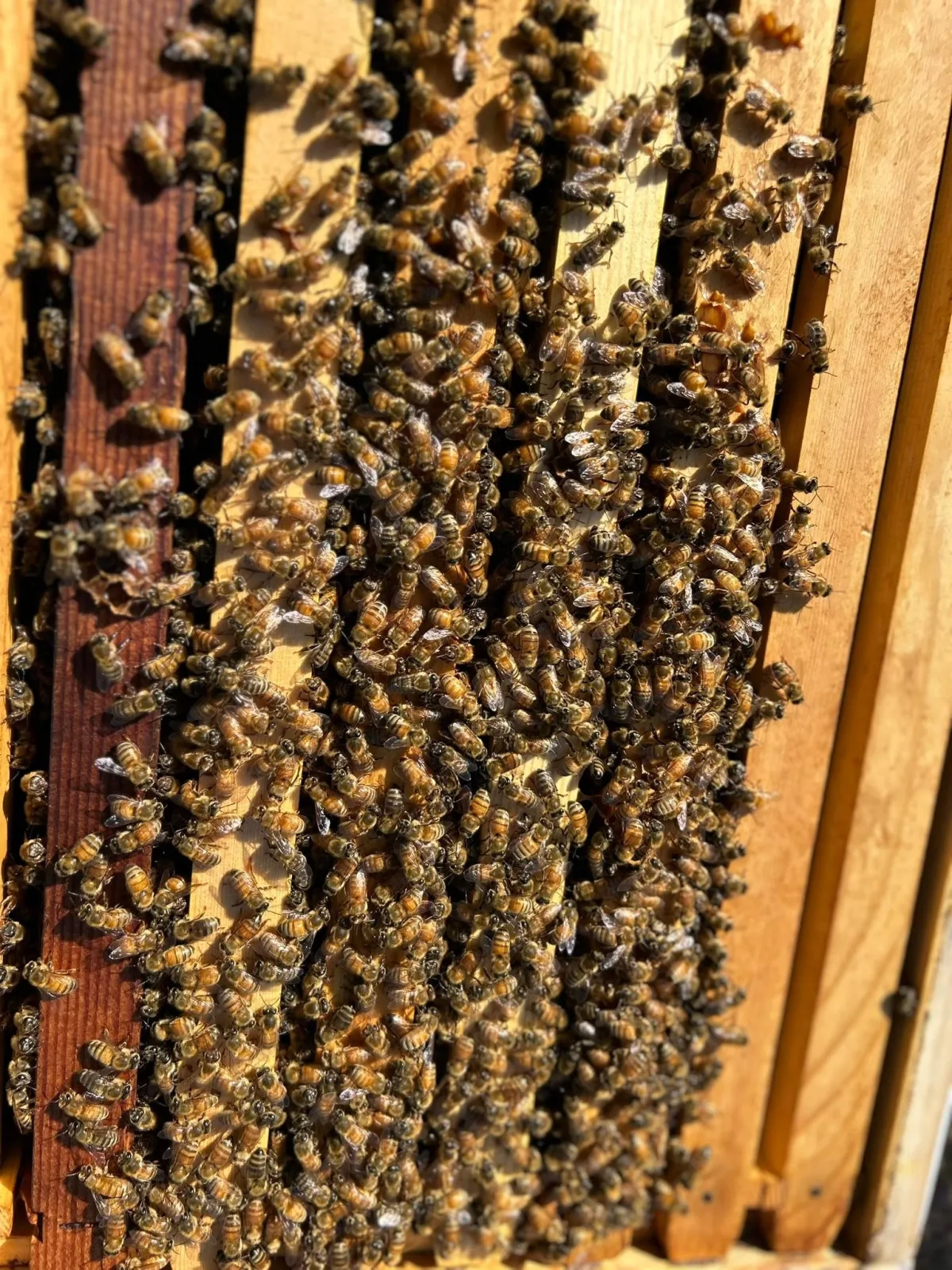
The skills she was learning in class were working. She kept taking classes. In fact, she’s still taking them. Enrolled in the Texas Master Beekeeper Program and working through the apprentice level, which is the first of four.
These days there are around six hives to check every week, wax to clean, lip balm to make, and a harvest that turns into jars every season.
It’s still a fun hobby. It just also happens to pay for itself now.
The Bowdoins
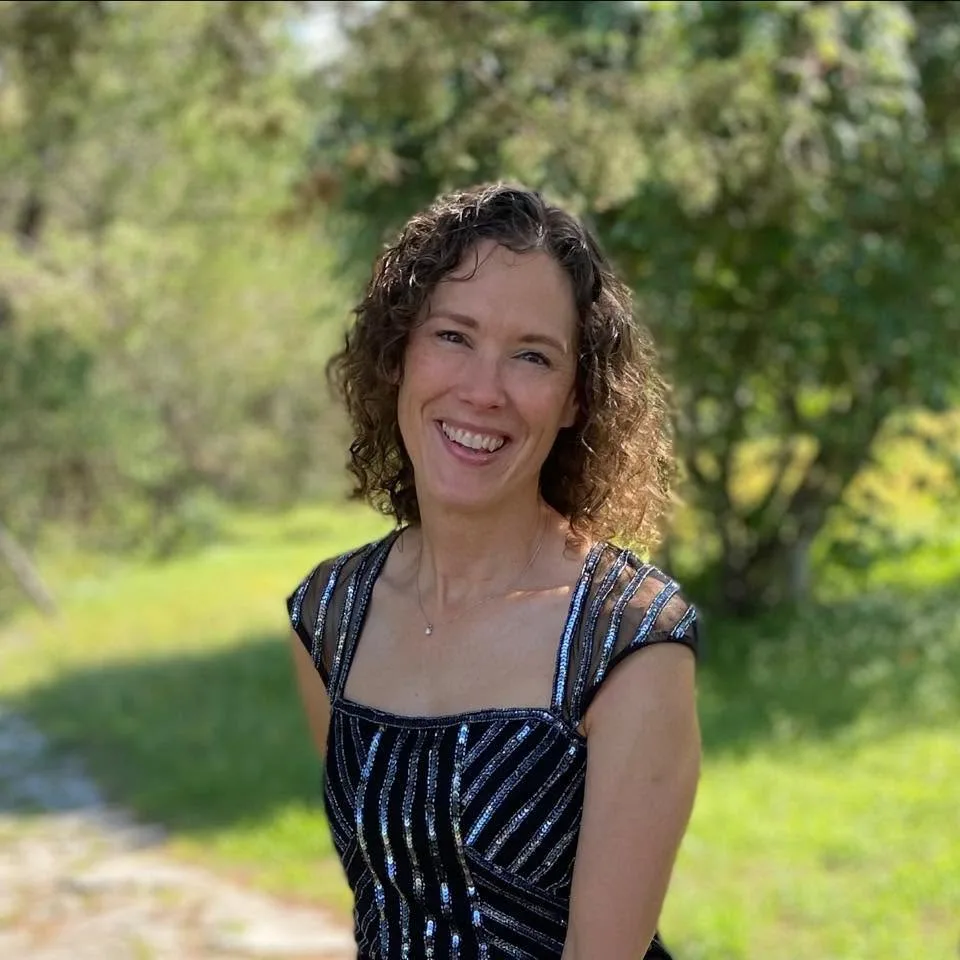
Chantel
Runs the hives, handles the removals, cleans the wax, makes the lip balm, and answers your email. Former English teacher, which explains why she’ll happily talk about bees for an hour if you let her. Currently working through the apprentice level of the Texas Master Beekeeper Program.
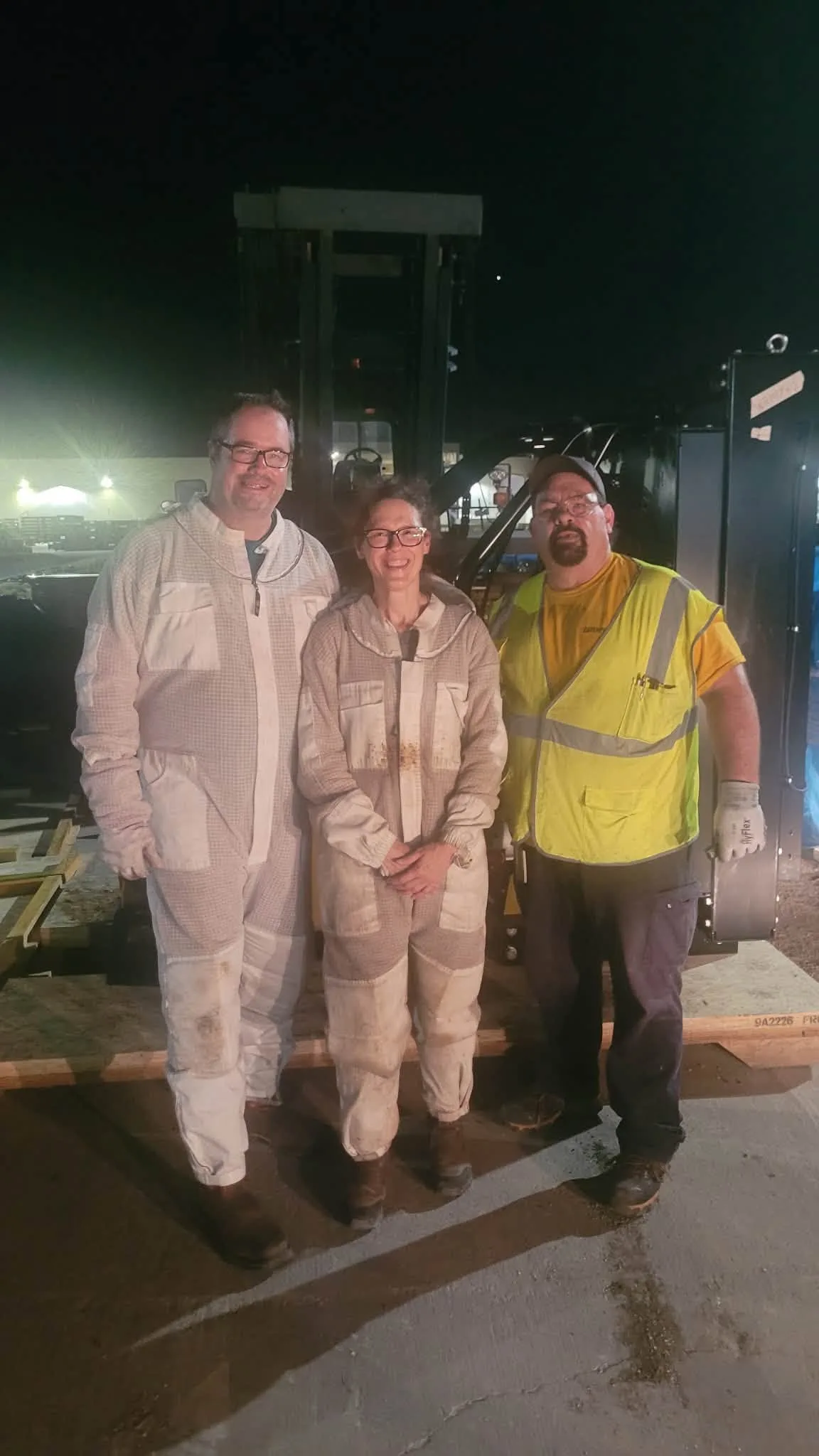
Brad
Helps fix various things at the property that need fixin’. Occasionally attracts Bees.
Allie, Annika, AJ & Adrian
They help around the farm. Since moving hives has to happen after dark when every worker is home, sometimes they’ll help muscle some of the hives away. Four hives in one night is the current record.
Where The Bees Live
Our hives sit in three places: San Antonio, La Vernia, and Blanco. Each with their own flowers and bloom timing.
Then it all gets put into the same jar.
That’s on purpose. San Antonio, La Vernia, and Blanco each sit on different land with different wildflowers, so we keep the honeys separate instead of blending them together. Each one tastes like the place it came from.
The one thing we’ve never done is blend in honey from somebody else. Every drop in every jar came off a Bowdoin frame.
A few things we’re stubborn about.
No synthetic chemical treatments.
We keep colonies healthy through genetics, nutrition, and regular monitoring instead. It’s slower, but it works with how bees already behave.
The honey stays raw.
Never heated past hive temperature, never fine-filtered, never pasteurized. The antioxidants, enzymes, and pollen the bees put in there stay in there.
Our hives only.
We’ve never blended in honey from another source, and we’ve never bought a jar to resell.
The bees come out alive.
Every removal is a relocation. We’ve never sprayed a colony, and we’re not going to start.